
Why a structured order workflow matters
During peak hours, speed is not only about headcount.
Process quality is what keeps teams efficient and guest experiences consistent.
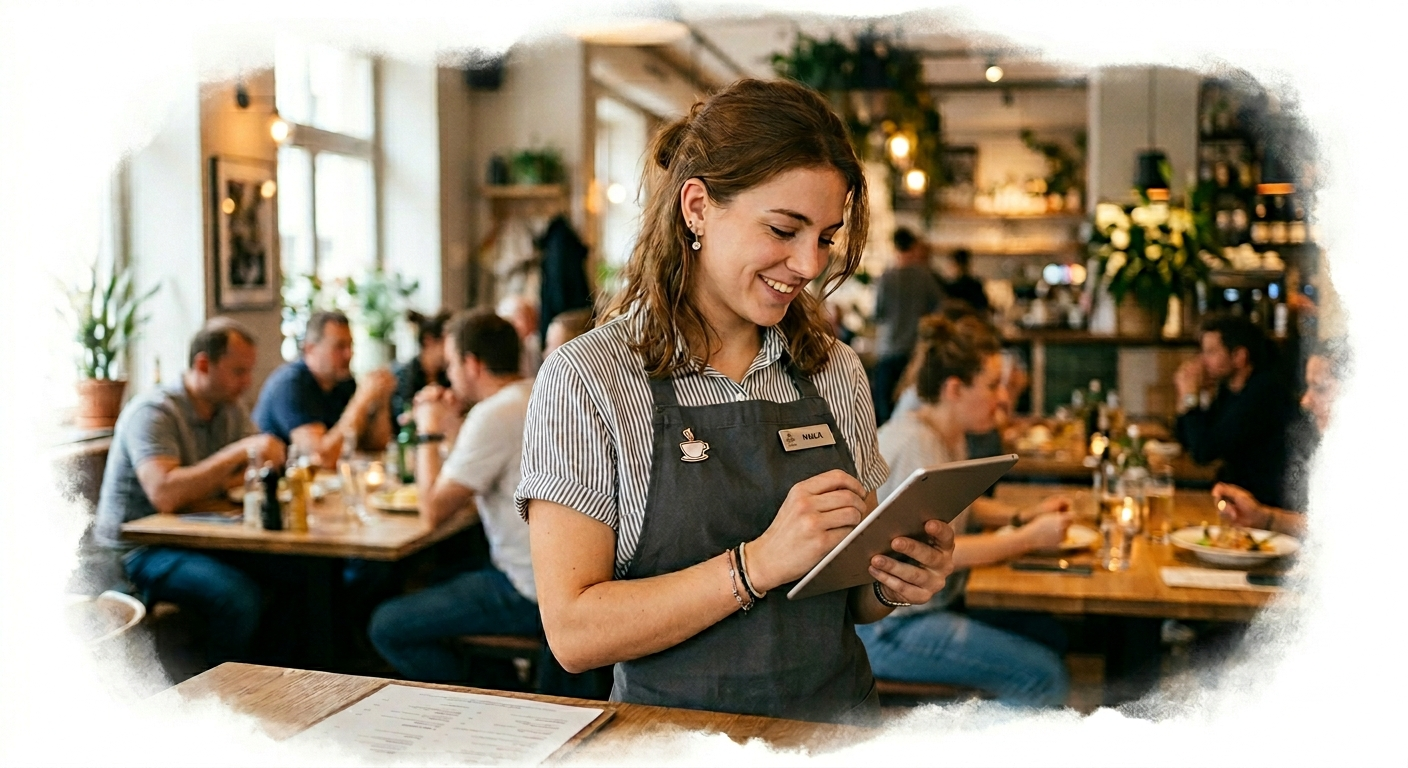
Typical bottlenecks in daily operations
- Orders are handed over too late or with missing details.
- Table-level changes are not tracked transparently.
- Team members follow different routines without shared priorities.
- Manual handovers create avoidable mistakes during rush periods.
What a professional target workflow looks like
- Clear status ownership for each order.
- Traceable changes across team roles.
- Scalable routines that new staff can adopt quickly.
How to use BarOrder in practice
1. Capture orders directly at the table
Orders are entered digitally right away.
This removes media breaks and reduces manual mistakes.
2. Keep service and kitchen aligned
The order overview helps everyone see the same status in real time.
Changes remain traceable and easier to process.
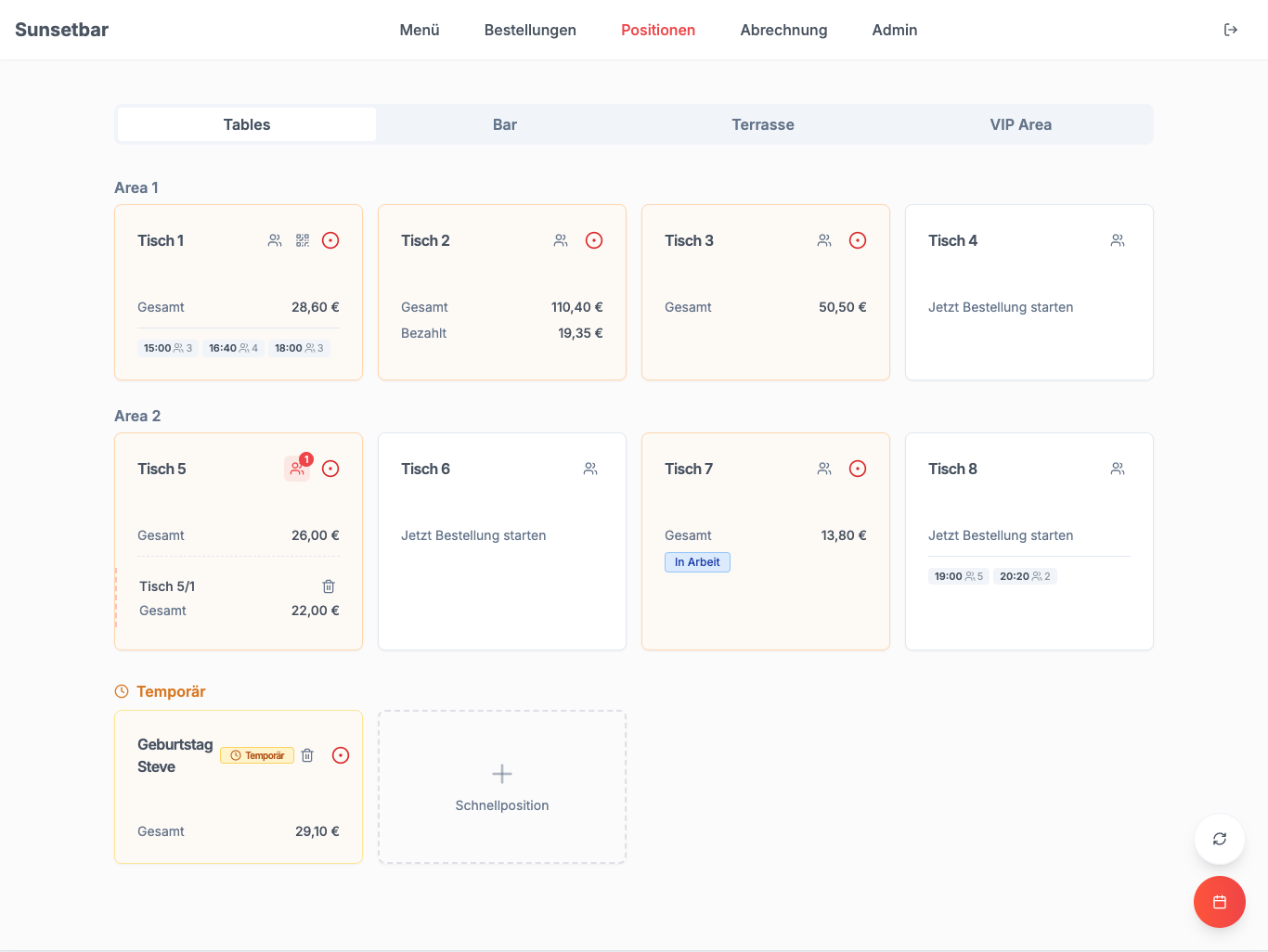
3. Handle table operations flexibly
Splits, transfers and partial payments can be managed in a structured way without losing context.
7-day rollout plan
Day 1-2: Define your baseline process
- Set role responsibilities per shift.
- Define standard order statuses and escalation rules.
Day 3-4: Train with real scenarios
- Simulate rush-hour handovers.
- Test correction flow for changes and cancellations.
Day 5-7: Optimize with shift feedback
- Collect repeated questions and blockers.
- Refine menus, permissions and workflow checkpoints.
Result: more control during peak times
When every role works from the same data layer, coordination gets easier.
Teams spend less time clarifying and more time serving guests.
KPI checklist for ongoing optimization
- Time from order capture to ticket output
- Number of manual corrections per shift
- Split/transfer completion without clarification
- Average table turnaround time
Common objections – and how to answer them
“The team already knows the old way.”
That is exactly why a clear base process helps. New staff ramp faster, and experienced colleagues spend less time explaining.
“There is no time for systems during rush.”
Without a system, parallel paths appear – and those cost the most time in peak. One shared channel is faster than shouting plus paper plus follow-up questions.
“We need new hardware first.”
Usually not. BarOrder runs on existing tablets and phones. What matters are device profiles, permissions and one consistent flow.
Shift handovers
Many errors do not happen during the shift – they happen at handover.
A short handover with three points is often enough:
- Open tables and special notes
- Known bottlenecks (menu, device, staffing)
- What the next shift should prioritize
When this information is visible in the system, less knowledge stays trapped in individual heads.
Practice example: Friday night at full capacity
Before the shift, roles are clear: service takes orders, the bar handles instant payments, kitchen only sees tickets that need prep.
During peak, changes stay in the system – no parallel shouting.
After the shift, a short review is enough: which corrections happened, and what changes for Saturday?
That rhythm is the difference between “surviving peak” and “steering peak”.
Conclusion
BarOrder is not only a digital checkout tool.
It supports operational process design in day-to-day hospitality workflows and helps venues scale with clarity.